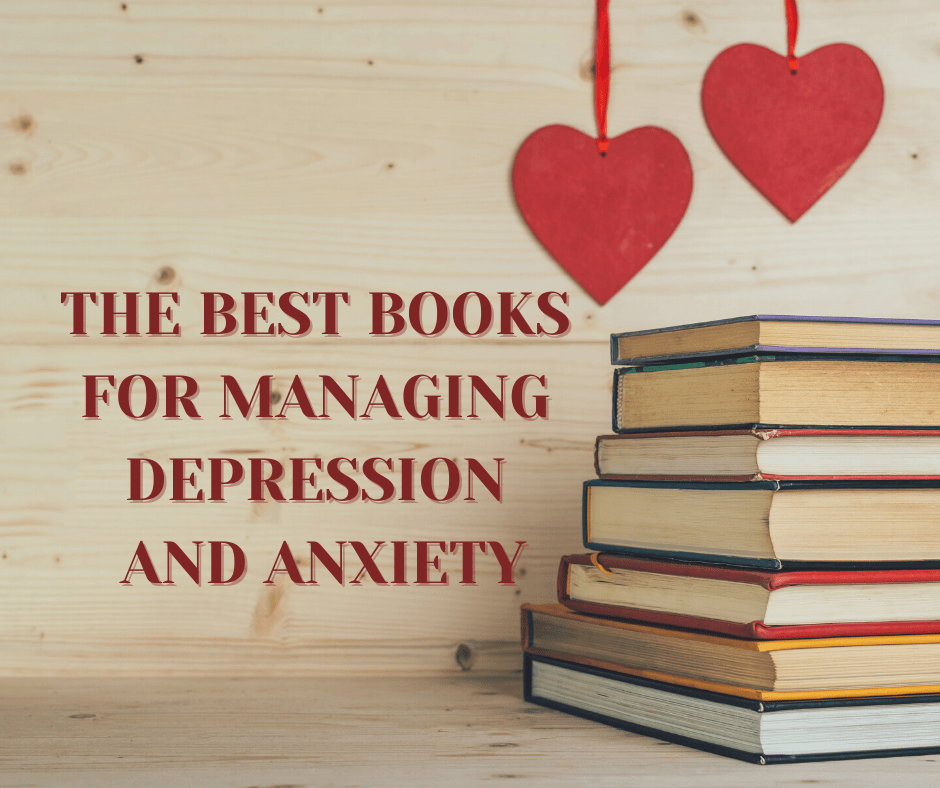
The Best Books for Managing Depression and Anxiety

Dealing with depression and anxiety can be challenging; I know because I have been dealing with them both for over a decade; one of the strategies I have found to be very helpful for me and for the clients I serve is reading; books can be powerful tools in coping with these mental health issues. They offer insights, strategies, and comfort that can help individuals like us navigate these difficult experiences. Here are four highly recommended books that I think can provide valuable support and guidance to help you craft a plan that works for you; reading about your illness may not be all you need; I have included the link to Psychology Today Find a therapist, if you would like to locate a therapist in your city that works in person and remotely. As you journey through midlife, you might find that the tools you used in the past to manage your mental health no longer work; it is totally okay to search for new tools so that you can continue living a life you love.

“The Anxiety and Phobia Workbook” by Edmund J. Bourne

This comprehensive workbook is a go-to resource for managing anxiety and phobias. It offers practical techniques, cognitive behavioral strategies, and exercises to help readers understand and overcome anxiety. The book also includes information on relaxation techniques, lifestyle changes, and coping skills.

“Feeling Good: The New Mood Therapy” by David D. Burns

Dr. Burns’ book is a classic cognitive behavioral therapy (CBT) classic. It provides readers with practical tools to combat depression and improve their mood. The book outlines the principles of CBT and offers practical advice on changing negative thinking patterns and behaviors.

The Mindful Way Through Depression: Freeing Yourself from Chronic Unhappiness” by Mark Williams, John Teasdale, Zindel Segal, and Jon Kabat-Zinn

This book combines the principles of mindfulness with cognitive therapy to help individuals break free from the cycle of depression. It offers guided meditations, mindfulness practices, and cognitive strategies to cultivate self-awareness and acceptance.

Lost Connections: Why You’re Depressed and How to Find Hope” by Johann Hari

In this insightful book, Hari explores the societal and environmental factors that contribute to depression and anxiety. He argues that many cases of depression are not solely biological but are also influenced by social and cultural factors. The book offers a compassionate and hopeful perspective on overcoming depression.

These books offer valuable insights, practical advice, and compassionate support for those dealing with depression and anxiety. Whether you’re looking for coping strategies, understanding, or a sense of hope, these books can be valuable companions on your journey to mental health and well-being. Creating a plan to assist with your depression and anxiety before episodes occur is crucial for several reasons. Proactively developing coping mechanisms and support systems can help reduce the severity and duration of depressive and anxious episodes.

By having a plan, you can better manage your symptoms and maintain a higher quality of life. Additionally, understanding your triggers and learning effective techniques to address them can empower you to take control of your mental health. Preparing in advance also ensures that you have the necessary resources and support when needed most, helping you navigate challenging times with greater resilience and confidence. Remember, you do not have to take this journey alone; talk to family and friends about how you feel, and if that does not work, seek out the assistance of a professional therapist; you can research for one by checking out psychologytoday.com, that is where I found my therapist, and she is amazing. 

With Peace & Love,

Renee

Resources

Download our new book and get 20% off Liberate Your Life: A Journey to Self-Discovery and Wellness Journal 🌟 Introducing “Liberate Your Life: A Journey of Self-Discovery and Wellness” 🌟

Unlock the power within you and embark on a life-changing voyage of self-discovery with our transformative journal! 🚀

For a curated collection of inspirational and fun gifts for yourself or someone you love, visit Renee & Ruby’s. You will get 20% off your entire purchase, and Afterpay is available.
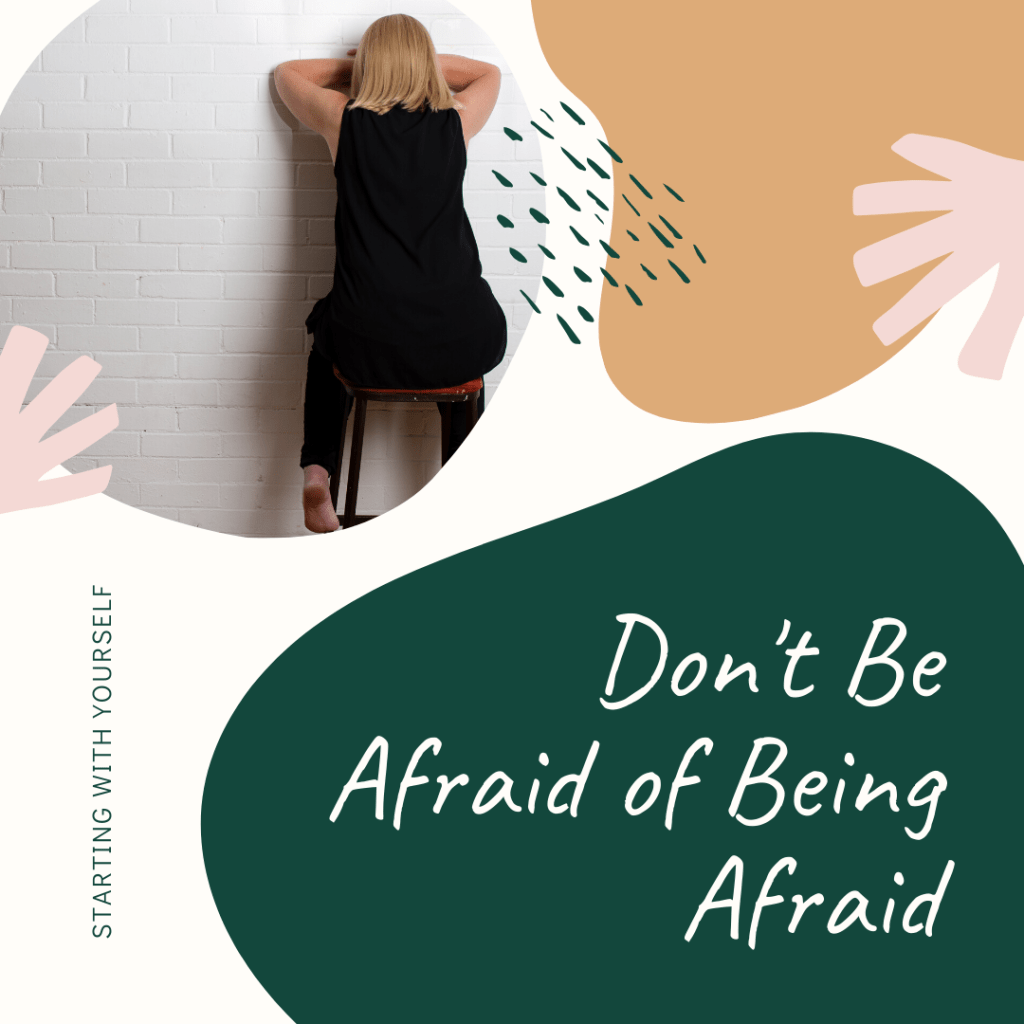
Do Not Be Afraid to Feel Your Feelings

WTYL Episode 39 Welcome To Your Life! Midlife Made Easier Podcast

The world is in chaos it is scary and a bit overwhelming. Before we get started, let us take a collective moment to breathe.  Maybe like me, you have been holding your breath as every one of your body’s senses has been bombarded by emotions too quick to process.

So, I invite you, no, I implore you, find a comfortable seat, relax your shoulders, and plant your feet firmly on the floor. Close your eyes.  Place your left hand on your belly, and your right hand on your heart.  Take a deep breath through your nose, feeling the rise and fall of your belly and chest.  Do this three times.  Now, sit for a moment and just feel the awareness of stillness.

Even when you were not physically moving over the last 12 weeks, your mind has been in constant motion.  I would bet you a butter pecan iced coffee that you are emotionally, financially, and spiritually exhausted. 

Having been hit simultaneously with a global pandemic which has killed over 120,000 people in the United States alone, left 40 million Americans unemployed, plural police shootings which have sparked nationwide protests. Fueled by 400 years of systemic racism, brutal injustice, and downright disrespect of the human rights of black and brown folks in this country.

As women of a certain age, we have become very adept at hiding our feelings; after all, it would be selfish of us to spend time dealing with our own emotions, when we need to be the glue that holds our world together.  So, we pack them away in a little box with the promise that we will unpack them later.  Well, my friend later is now.

Some of us were never taught the importance of examining how we feel, that was a luxury for the rich and famous.  I mean really, “was this not an issue of class in that the higher socioeconomic classes could spend their time contemplating their sadness while the rest of us regular folks had to get to work? How possible was it, really, for the average person, to be with or in their sadness, “sitting still” when things needed to get done? After all, didn’t we all need to get out the door and earn a living?”   Our parents showed us they loved us by providing for us, as a single mom my mother rarely had time to ask us how we felt or really examine how she was feeling, she was too busy trying to put food on the table.  Unfortunately, the cycle continued with me. 

Feeling your feelings is not an easy task, believe me, I know.  I am the queen of holding things in and telling myself that I will deal with it some other time.  When things are not as hectic, when my life is in order, or when I have more time.   I placated myself bingeing on Netflix, alcohol, food, and shopping.  Until being unemployed meant that I had to let go of these vices and deal with my feelings.

When you are focused on numbing your feelings rather than processing them and using healthy coping strategies, you prevent yourself from living a full and meaningful life. Hurt, frustration, pain, sadness, and anger are all-natural and healthy parts of the human experience. When we try to suppress these emotions, we are unable to thrive.”

At the end of a recent yoga class, one of my students exhaling loudly said, “I do not believe that I have taken a real breath all day.”  Your feelings help you decide whether you are in alignment with your wants and needs.  The scary part about taking that deep breathe feeling your emotions and identifying how they show up in your body is that you must submit to being vulnerable.  

Being vulnerable can provide us with the key we need to live a full life. If we’re brave, it will allow us to finally let our guard down and open ourselves up to the sadness, disbelief, and frustration we may be holding on too, which means “more energy and attention we have to devote to our functioning life.”  

Does holding your feelings in lead to emotional eating, shutting yourself off from family or friends, sadness, headaches, gut issues, overspending, or yelling at co-workers?

Your assignment this week is to sit in a quiet place, use the breathing exercise we did at the beginning to anchor your mind.  This process will be as long or as short as you would like it to be, it must be done. At the end of your day, take out a blank piece of paper, set the timer for ten minutes, and just write how you are feeling. My free writing led to me address some things that I had pushed down but that needed to be addressed immediately, such as the daily emotional eating I had been doing to ease my frustrations.  Once you complete the activity, shoot me an email at info@reneereid.net and let me know how this exercise worked or did not work for you.

You can conquer anything if you acknowledge its existence.  The more we try to hide our feelings or put off dealing with them until some arbitrary future date, the more we will use unhealthy coping skills to bottle up our emotions.  It is time to feel again.

With Peace and Love,

Renee

My gift to you, Beating the Midlife Slump! 10 Strategies to Help You Boost Your Self Confidence, Self-Love, and Self-Care

Whenever you are ready, here are two ways I can help you create the future you’ve always wanted:

  1. Join the private Welcome to Your Life Midlife Made Easier Facebook group, a curated community exclusively for fun-loving midlife. Learn from and connect with other midlife women; this is your village, a safe place to vent your concerns and celebrate your wins.  Click here to join (note: you must answer the questions to be considered).

.

  1. Work with me privately. I am looking for 10 women over 50 who are looking, to lose weight naturally, reduce their stress, and increase their joy. If this is you, please fill out the form below. All eligible applications will be contacted by phone or email.  Click here to apply! Your first call is free!

#midlifewomen  #wtyl #fitbabyboomer #atlantapodcast #midlifecrisis #genxwomen midlifewellness #midlifeaffirmation #midlifebeauty #fiftyplusbeauty #fortypluswomen #healthandwellness  #diabeticwomen #midlifecrisis #midliferesilience  #selfcare #selflove #midlifedetermination #menopause #hotflashes #bellyfat #inflammation #overfiftyandfit #empoweringwomen #midlifestyle

How Can I Help My Family Members Understand My Mental Illness?

Note:  Today’s blog has a new format; I will be answering a question from one of readers.  If you have a question you would like to ask about health and wellness, relationships, or life, please email me at info@reneereid.net, and your question could be featured on a future podcast.

Today’s question is from Brandiss, she writes, I am 50 years old and was diagnosed with depression about six years ago.  I am married and have two teenaged daughters, I have been trying to explain my diagnosis to my family, but they don’t seem to understand what I am going through. Now that we are all stuck home together, I thought this would be a good time for us to have an honest conversation.  How should I start?

Brandiss, thank you so much for your question; I know that the pandemic, social isolation, and sheltering in place has been a trigger for many of us suffering from a mental health disorder.  I am so grateful to be out of bed today.  As a Mental Health Practitioner, I worked with families to help them to understand their loved one’s diagnosis so that they can be a natural support for them once our services ended.  Sometimes, it worked.  Sometimes it didn’t.  

I know we have made a lot of progress, but there is still a stigma attached to a mental health diagnosis.  I applaud you and anyone who has the courage not only to face their diagnosis but also to share it with their families so that they can begin to understand and provide valuable help when it is needed.   I have four tips that I think will work well for you and anyone dealing with a chronic illness.  Your mental illness is probably not going to go away but can be managed successfully.  These four steps should get the conversation started.

  1. Education:  Don’t skip this step; it would help if family members had a bird’s eye view of exactly what symptoms and causes of your mental health diagnosis.  They don’t need a dissertation; you can simply give them a pamphlet, article, or book.  You can provide the information and then give them time to digest it and ask you questions.  Check out this TEDx talk by Dr. Lloyd  Sederer entitled When Mental Illness Enters a Family.  You and your family can watch Dr. Sederer’s talk together.
  2. Be Clear on What You Need:  This is not the time to have family members guessing on how to help you, guesswork will just increase the stress for both you and your loved one.  So, tell them, when I feel this way__________, I need you too___________.   Remember that you and your family members are dealing with something that even the medical community doesn’t fully understand.    For example, when I am having an anxiety attack, I need you to remind me of one of my coping strategies, whether that’s journaling, walking, listening to a meditation recording, or yelling into a pillow.  Knowing what to do will empower your family members.
  3. Explain your triggers:  If you have worked with a mental health practitioner, then you’ve heard of triggers.  Discuss yours with your family so that they can be aware that a person, place, thing, or event can trigger an episode for you.   About three years ago, I was working with a client who was diagnosed with OCD.  We sat down with her kids and explained to them that leaving the shoes and bookbags at the front door when they came home from school was a trigger for mom.  Instead, we asked them to take all their belongings to their room.  Because when they dropped them at the door, this triggered mom to want to clean for two or three hours instead of cooking dinner.  If possible, schedule a meeting with you and your family and your therapist.  They can provide real support for you as you try to explain to your family how they can help.
  4. Guard your feelings: sometimes, family members and friends can be very supportive and loving, and sometimes they will just not understand.  You do not have to argue with them or try to convince them that what you are feeling is real.   Remember that Supportive Loved Ones Come in All Shapes and Sizes, if you cannot find natural support from your family and friends, look for it in the form of professional assistance from a therapist, case manager, or coach.  Search for online support groups or start your own.  While you want family members to be there for you, give yourself permission to focus on getting well.

If you are trying to provide support for someone who has been diagnosed with a mental illness check out Nami the National Alliance ON Mental Illness -they have an excellent program called Family to Family that is designed to help family members have a better understanding about mental illness and how they can be supportive. I took this program way back in 2010 and it was a great resource.

Wishing You Peace and Love,

Renee

Download The Ultimate Midlife Guide:  Beating The Midlife Slump-10 Strategies To Help You Boost Self-Confidence, Self-Love, and Self-Care

#midlifewomen  #wtyl #fitbabyboomer #atlantapodcast #midlifecrisis #genxwomen midlifewellness #midlifeaffirmation #midlifebeauty #fiftyplusbeauty #fortypluswomen #healthandwellness  #diabeticwomen #midlifecrisis #midliferesilience  #selfcare #selflove #midlifedetermination #menopause #hotflashes #bellyfat #inflammation #overfiftyandfit #empoweringwomen #midlifestyle