I am not going to lie to you, midlife can be a scary phase of life. Questions arise like, who is going to take care of me when I cannot take care of myself. What if I don’t have enough money to live comfortably? I want to change careers but everyone I talk too tell me I am too old. And, if these questions, are not enough to handle, what do we tell ourselves when we look at the dreams, we’ve left undone because we were just too afraid to take the first step.
If we have learned nothing else from the pandemic it is that we cannot afford to wait until tomorrow to live. Live Now! Walk the marathon, write the book, start the business, cut people out of your life that no longer support you, acknowledge your mental health issues and get some help. Learn to motivate yourself and follow your own intuition, you got this!
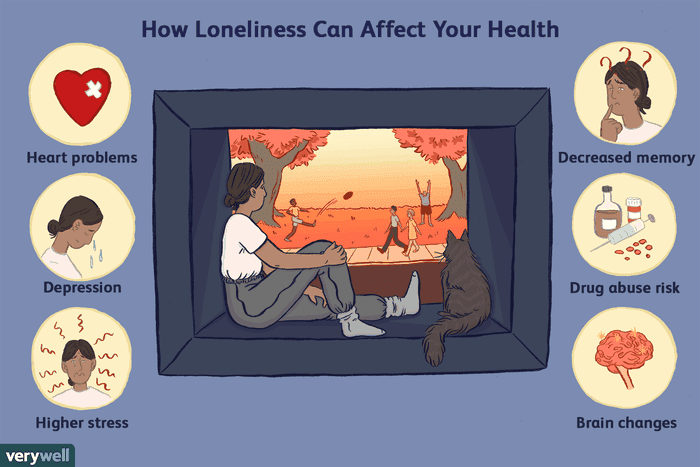
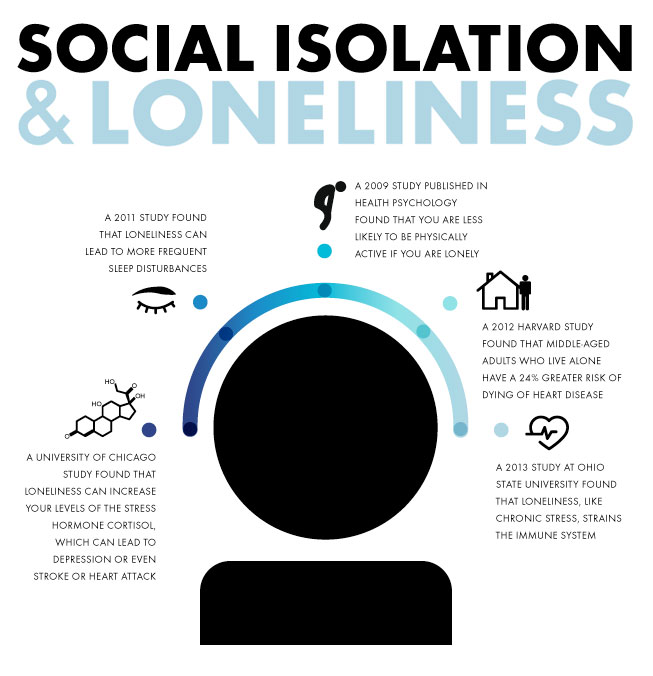
It always fascinates me how in 2020, we can be so digitally connected and yet feel so alone. Loneliness can be a part of midlife for many reasons, divorce, death of a spouse, or an empty nest. A Psychology Today article contends that loneliness does not depend on your social circle; more than 60% of married people admitted to feeling lonely. In the United States,40% of midlife folks are affected by loneliness, and this could lead to some devastating health outcomes.
If you feel lonely, you are not alone. In 2010 AARP commissioned a study that classified loneliness by age; the results were astounding. Using the UCLA Loneliness Scale, they measured the percent of lonely adults by age group:
Ages 40-49 – 43%
Ages 50-59 – 41%
Ages 60-69 – 32%
Ages 70+ – 25%
How can you protect yourself from the devastating effects of loneliness?
Nurture existing relationships: this step helped me to combat my loneliness, I make a point each day to contact a family member or friend. And since we are practicing social distancing due to the virus, I reach out to work colleagues a couple of times each week to stay connected.
Find a hobby: this one was a little bit harder because the things I enjoy don’t necessarily require company, but it has been a real joy cycling with my friend and organizing family walks. You could start a bowling league or book club and invite family and friends. Or, do something entirely out of your comfort zone like ballroom dancing and make some new friends.
Volunteer: One of the best ways to get your mind off yourself is to give back to your community. Find a place to donate your time and gift that organization with your gifts and talents. Time spent volunteering will put you into social situations that will help you to meet new people in a safe environment.
If your loneliness persists or turns into isolation, don’t be afraid to seek help, many organizations such as Better Help offer online therapeutic services. As with any service, do your due diligence and research before you commit. Also, check out the Coalition to End Isolation and Loneliness; this is a non-profit organization that works to assist individuals with local and national resources to end loneliness.
It is a myth that the older you get, the lonelier you will become, yes, your life will change, kids grow up and move out, you might get divorced, or your spouse might pass away, maybe your friend of 25 years will move to another state. I have found that one of the greatest gifts you can give yourself is to be flexible and to live your life with a curious mind.
Note: Today’s blog has a new format; I will be answering a question from one of readers. If you have a question you would like to ask about health and wellness, relationships, or life, please email me at info@reneereid.net, and your question could be featured on a future podcast.
Today’s question is from Brandiss, she writes, I am 50 years old and was diagnosed with depression about six years ago. I am married and have two teenaged daughters, I have been trying to explain my diagnosis to my family, but they don’t seem to understand what I am going through. Now that we are all stuck home together, I thought this would be a good time for us to have an honest conversation. How should I start?
Brandiss, thank you so much for your question; I know that the pandemic, social isolation, and sheltering in place has been a trigger for many of us suffering from a mental health disorder. I am so grateful to be out of bed today. As a Mental Health Practitioner, I worked with families to help them to understand their loved one’s diagnosis so that they can be a natural support for them once our services ended. Sometimes, it worked. Sometimes it didn’t.
I know we have made a lot of progress, but there is still a stigma attached to a mental health diagnosis. I applaud you and anyone who has the courage not only to face their diagnosis but also to share it with their families so that they can begin to understand and provide valuable help when it is needed. I have four tips that I think will work well for you and anyone dealing with a chronic illness. Your mental illness is probably not going to go away but can be managed successfully. These four steps should get the conversation started.
Education: Don’t skip this step; it would help if family members had a bird’s eye view of exactly what symptoms and causes of your mental health diagnosis. They don’t need a dissertation; you can simply give them a pamphlet, article, or book. You can provide the information and then give them time to digest it and ask you questions. Check out this TEDx talk by Dr. Lloyd Sederer entitled When Mental Illness Enters a Family. You and your family can watch Dr. Sederer’s talk together.
Be Clear on What You Need: This is not the time to have family members guessing on how to help you, guesswork will just increase the stress for both you and your loved one. So, tell them, when I feel this way__________, I need you too___________. Remember that you and your family members are dealing with something that even the medical community doesn’t fully understand. For example, when I am having an anxiety attack, I need you to remind me of one of my coping strategies, whether that’s journaling, walking, listening to a meditation recording, or yelling into a pillow. Knowing what to do will empower your family members.
Explain your triggers: If you have worked with a mental health practitioner, then you’ve heard of triggers. Discuss yours with your family so that they can be aware that a person, place, thing, or event can trigger an episode for you. About three years ago, I was working with a client who was diagnosed with OCD. We sat down with her kids and explained to them that leaving the shoes and bookbags at the front door when they came home from school was a trigger for mom. Instead, we asked them to take all their belongings to their room. Because when they dropped them at the door, this triggered mom to want to clean for two or three hours instead of cooking dinner. If possible, schedule a meeting with you and your family and your therapist. They can provide real support for you as you try to explain to your family how they can help.
Guard your feelings: sometimes, family members and friends can be very supportive and loving, and sometimes they will just not understand. You do not have to argue with them or try to convince them that what you are feeling is real. Remember that Supportive Loved Ones Come in All Shapes and Sizes, if you cannot find natural support from your family and friends, look for it in the form of professional assistance from a therapist, case manager, or coach. Search for online support groups or start your own. While you want family members to be there for you, give yourself permission to focus on getting well.
If you are trying to provide support for someone who has been diagnosed with a mental illness check out Nami the National Alliance ON Mental Illness -they have an excellent program called Family to Family that is designed to help family members have a better understanding about mental illness and how they can be supportive. I took this program way back in 2010 and it was a great resource.
So, you had a bad eating day, who hasn’t, this journey toward health is a marathon, not a sprint, so allow yourself some grace, or you won’t last. If what you’ve eaten today does not necessarily line up with your healthy eating plan. Write down why! What happened that threw you off track:
Did you forget to pack your lunch? Did you skip breakfast? Did you stay up late watching the news and didn’t get enough sleep? Are you sad?
When you take a step back and look at the day through your logical eye and not emotions, you can pinpoint the trigger and correct your course. Overeating does not make you a bad person or a lost cause. It makes you human!
So, you had a bad eating day, who hasn’t, this journey toward health is a marathon, not a sprint, so allow yourself some grace, or you won’t last. If what you’ve eaten today does not necessarily line up with your healthy eating plan. Write down why! What happened that threw you off track:
Did you forget to pack your lunch? Did you skip breakfast? Did you stay up late watching the news and didn’t get enough sleep? Are you sad?
When you take a step back and look at the day through your logical eye and not emotions, you can pinpoint the trigger and correct your course. Overeating does not make you a bad person or a lost cause. It makes you human!
So, you had a bad eating day, who hasn’t, this journey toward health is a marathon, not a sprint, so allow yourself some grace, or you won’t last. If what you’ve eaten today does not necessarily line up with your healthy eating plan. Write down why! What happened that threw you off track:
Did you forget to pack your lunch? Did you skip breakfast? Did you stay up late watching the news and didn’t get enough sleep? Are you sad?
When you take a step back and look at the day through your logical eye and not emotions, you can pinpoint the trigger and correct your course. Overeating does not make you a bad person or a lost cause. It makes you human!
Don’t Forget to Share, Comment, and Follow Daily Strategies to Help Make Midlife Easier
Nighttime eating can ruin the physical and emotional progress you’ve made during the day. There are several reasons why we continue to eat after the dinner meal is over. It could be that you’re bored, hungry, or using food to meet a need other than hunger.
To end the struggle, try creating a routine. Make sure that you are getting enough sleep and spread out your meals during the day. Take out a piece of paper right now and write down your eating and sleeping schedule for the next week. Spreading meals out through the day will help you to feel less hungry at night. Make sure your meals include a protein, grain, veggie, and a healthy fat.
Remember, if your body is used to eating more calories than it needs, it might take seven to ten days for it to self-regulate when you start eating the calories you need to live and thrive.
Don’t Forget to Share, Comment, and Follow I Provide Daily Strategies to Help Make Midlife Easier
Note: The blog has a new format; during this time of crisis, I will be answering your questions. I hope that in some small way this will be of service to you all. If you have a question, you would like to ask, please leave it in the comments or email me at info@reneereid.net. Let me know if you would like your name to be used.
Today’s question is from Laura: She writes, “I am 52 years old and like most of us, I am working from home. My kids are home from school and my husband is working from home as well. I used to pride myself on my productivity at work and at home, but in the last week my productivity has plummeted. My boss was tracking my work and called to say she noticed I wasn’t getting much done. Help!!!!
Okay, that title might be a little over the top, but that is just how I feel now. And as you can see, Laura feels that way too, but to be honest, everything in our lives seems to be exaggerated, out of control, and more than a little overwhelming. But, before we get started, I want to remind you that while you may be working remotely in your corner of the world, you are not alone. We are a community of supportive, loving, quirky folks who have each other’s back. And not even a social distancing directive can change that, I am here for you and so is everyone in our little community. So, if you have a question for us, please write in.
Now, Laura, first let me say I am sorry that you are experiencing so much angst over working from home. Working from home is not for everyone and being put in a situation like this so quickly without time to prepare can be a lot to handle emotionally. The question for all of us is, how can we maintain an optimal level of productivity working from home? As you know, Covid-19 has forced many companies to either shut down entirely or send their workforce with laptops in hand home to work. Remote work can be great, but if you are not used to managing yourself without the oversight of a supervisor or your work colleagues, it can be a bit daunting. These tips will work for you if you are a regular 9-5 worker or if you work for yourself but have used your local coffee shop as your makeshift office.
They will help you to stay on task, boost your productivity, and calm the overwhelm you might be feeling right now because these tips are things that you can control. And that is what we all need right now, a little bit of control.
You must maintain a regular work schedule. The first days after being laid-off, my daily schedule was all over the place. Which was a surprise to me because I am a Coach who has worked with midlife women on identifying and removing time eaters from their daily schedules. Why? Because if you do not control your time, every area of your life is affected. Secondly, I was just lamenting the week before how much more work I could get done on my business, if I didn’t have a big chunk of my day eaten away by my work schedule. Fast forward a week later, and I am trying to write my blog, answer coaching calls, record a podcast, all while trying to watch the latest news coverage, and do my laundry. That week was a bust. This week, I instituted my regular work schedule using the hours I would have been working outside of my home. So, my work hours are from 9 am-3 pm, this also required me to reinstitute my regular bedtime so that I could rise and do my morning routine before sitting down at my desk at 9 am.
Create a designated work area and set clear boundaries. Bryan Robinson, a contributor for Forbes magazine, suggests, “Have a space that you designate as your workstation instead of checking emails, voicemails, or texting in front of the TV or spreading work out on the kitchen table.” Having a designated work area will not only keep you focused, but it will send a signal to you and the rest of the family that you are in work mode and should not be disturbed unless it is a real emergency. If you do not set this clear boundary, you might feel like you are working all the time, or your family will interrupt all day, and you won’t get anything done. Both will zap your energy and your focus. You also want to make it clear to family and friends that while you may be at home, you are still working, and they should wait to call you until after your workday ends. It might be a good idea to schedule a family meeting to go over the daily schedule, which should include your designated work time and scheduled time to hang out with significant others and kids.
3. Take frequent breaks. Just because you are working from home doesn’t mean that you can’t take a break, schedule in lunchtime and 15-minute breaks the same as you would if you were in your office. Use your break to refresh your brain and move your body, go for a walk, stretch, sit outside and soak in some vitamin D. My Fitbit reminds me every hour to walk for ten minutes, which helps me to refocus and add some steps to my daily step total.
4. Stay connected to your colleagues and work friends. Working from home can be lonely. Thankfully, we live in the digital age, and platforms like Slack, Zoom, and Mighty Networks make it possible for you to not only share work products but also check in to see how your work buddy is faring during your time of separation.
This is a trying time for all of us, however, you might find that when this is over and yes, it will end, that you handled this situation so well that you get a promotion, land the job of your dreams or, double your business if you are working for yourself, Control what you can control.
I hope that these tips were helpful. I’m sure you have heard them before sometimes we have to hear things more than once before we act. Let’s take action.
Remember, you are stronger than you give yourself credit and more blessed than you know.
Guys, if you have any further tips for Laura, please leave them in the comments. How are handling working from home?
Hello, my friends,
I am sending so much love your way, these are challenging times, and some of you may already be experiencing significant financial hardship due to your company shutting completely down or having your work hours drastically cut. I feel your pain, Monday was my last day of work.
I am very grateful that my last child has finally returned home. I am here with my aunt, able to ensure that she is doing well and has everything she needs; still praying that my husband will get to join us soon.
Wakeup calls come in many forms, being let go from a job, the breakup of a relationship, or a pandemic that threatens the whole world. While it is inevitable that you will feel some fear and trepidations at the thought of an unknown future, this is your chance to take stock of your life and finally make the changes you have been putting off until someday. Someday is now!
I am asking that you replace your panic and fear with faith and action. This is not the time to put your self-care on the bottom of your “to do”. Besides the precautions suggested by the CDC – you can read them here. You need to be focusing on your physical, emotional, and physical health is what is going to get you through this crisis. I have put together eight tips that I know will help you take care of yourself and remain calmer during this crisis.
These tips have helped my family, friends, clients and me to stay in the present and cut our worrying in half. 1. Take quiets moments throughout the day for prayer/meditation: The early morning or late evening hours tend to be the best time to make this happen. But whether you are home “self-isolating” or still working, take a moment throughout the day to pray, meditate, reflect, and journal your thoughts. This will help you to manage your stress. 2. Eat whole foods: I have also been tempted to munch away on a bag of M&M’s my favorite candy in the world. But this is not the time to put your wellness journey on hold. Your immune system needs you to consume whole foods to keep it running at its optimal health. Whole foods are minimally processed and have little to no refined sugars. These foods include vegetables, fruits, whole grains, legumes, seeds, and nuts. 3. Exercise 30 minutes per day: Don’t forsake your daily exercise. I know the gyms are closed, but a home workout will yield some fantastic results. Check out YouTube for complete workouts lasting from 10 to 60 minutes. Or you can download my friend Laurie’s complete at-home workout guide here. 4. Stay connected: write, call, or facetime family and friends: While you may not be able to be in the same room, thanks to technology, we can still connect. Surprise someone you haven’t had time to speak within a while with a long-overdue phone call. 5. Focus on the positive- gratitude: “Making gratitude a daily practice is like taking a vitamin,” says David DeSteno, Ph.D., a professor of psychology at Northeastern University in Boston and author of the book Emotional Success.
6. Don’t Overload on Information: Decide on what time of day you will consume information about the virus and then stick with your plan. Cut down your watch time into 10, 15, or 30-minute chunks no more than that, or you will get sucked in and find yourself watching news coverage all day. 7. Say a prayer for others: One way to take your mind off yourself is to pray or send kind thoughts to others in need. This virus has affected all of us, and we need to come together to provide love and support. 8. Get some rest: While you may want to stay up all night, doing a virus vigil can wreak havoc with your health. Like healthy eating, your immune system needs you to be well-rested to help it work properly. Regular sleep will also help you to be at your emotional best. Stick to a regular sleep schedule and throw in a power nap if you need it. Your body will thank you for it,
You will get through this; don’t give in to fear and worry; instead, take the necessary precautions and stand firm in your faith. This is your time to shine! Be the leader you are called to be, even at this moment in time, you still have the power to create the life you want to live.
I will be coming to you each day with new tips and resources to steady your mind, help you keep your health promises, and to just keep you busy, so don’t forget to follow the blog so you don’t miss any upcoming posts.
Last year, no matter how many times I repeated the Nike chant, “just do it,” I found it very difficult to maintain a regular workout routine. The truth of the matter was that I allowed everything to get in the way, and it showed not only in the tightness of my dress slacks but in my attitude. I was mean. If anyone is reading this and you were a victim of my wrath. I am so sorry.
Exercise is not only the way that I keep off the pounds, but it is also my way of managing my mental health. So, I realized that I had to stop waiting to be motivated and make it as much a part of my daily routine as brushing my teeth and putting on lip gloss. I would never leave home without doing either one of those things.
Now, maybe you are having the same problem; it’s so easy to lose your motivation, especially during the winter months. Unless you are training for the Olympics, who wouldn’t rather stay in bed snuggled under your favorite blanket than venture out to the gym in the dark and cold. Motivation is not enough to keep you moving; when it disappears, so can all the dreams you had of getting in shape and taking control of your health.
To combat this from happening, you must make working out a habit. According to Sandy Joy Weston, author of the My 30 Day Reset Journal, “the secret is repetition plus consistent time and cues because the brain creates neuronal connections when you do something, and with each repetition, the connections get stronger and the action takes less effort”. How long will it take for you to make exercise a habit? According to a study conducted at London University, it could take an average of two months.
The following four tips will help you to work towards making exercise a habit and help you to get back on the treadmill or in that yoga class and moving forward towards your wellness goals.
Tip 1: Don’t beat yourself up: we spend so much time telling ourselves that we are bad people for not working out, this negative self-talk is not going to help you to get back on track. Be kind to yourself! Take into consideration where you are physically and emotionally and create your plan. Tell yourself that it is going to be okay. Pick your start date and start. On a side note, your start date is arbitrary; a Friday works just as well as Monday.
Tip 2: Reward yourself, while exercise is a reward within itself, it helps to have some shiny bobble to look forward to at the end of your workout week. I made a list of things I want to add to my spring wardrobe; to earn them, I am committed to working out for two weeks to get each item. When I try to talk myself out of working out, I just looked at my list and laced up my sneakers.
Tip 3: Find an accountability partner: I cannot stress enough how important it is to find a workout buddy. My friend Lisa and I have resumed our twice-weekly spin cycle classes, and it has been great. Because we keep each other accountable, and in six weeks we have only missed one class because I had to work. A workout buddy is a great way to strengthen friendships and reduce your waistline.
Tip 4: Make your workout fun- if you don’t like running, cycling, or swimming, then don’t do it, choose a belly dance class or Zumba. Pick an activity that will bring some joy into your life. If you enjoy the class, the instructor, and your fellow participants, this will all work together to keep you coming back.
As midlife women, we know that working out is the best way to lose weight, boost our energy, and manage our mindsets. But, knowing something is good for us, and doing it consistently does not always work hand in hand. Making exercise a habit will take the stress out of moving your body regularly and get you to this segment of your wellness finish line.
I see this quite often in my health coaching practice, and I used to be guilty of it myself. It’s common for people to think that when they skip a meal, they are ‘saving’ calories. What happens though is it backfires! By mid-afternoon or early evening, they’re starving, and then they feel like they have no ‘will power.’ Our body needs fuel in the form of food to function, so when it’s deprived, it screams out for what it needs – food! Your willpower is no match, and then you end up feeling guilty. Skipping meals sets you up for failure and feeling guilty.
Here a just three things that happen to your body when you decide to skip meals.
1. Skipping meals will ruin your metabolism: “Yo-yo dieting can mess with your resting metabolism, which is the way your body burns calories in order to function. Because your meal times are so unpredictable, your body will keep what it can and won’t burn calories efficiently. If you want your weight loss to last you have to provide your body with the fuel it needs to maintain a healthy metabolism. This will help you to burn calories efficiently.
2. Skipping meals will affect your blood sugar: When you skip a meal your body relies on glucose reserves to provide it with energy. This will trigger a drop in your blood sugar and make you feel sluggish and moody. According to Licensed dietitian Brigitte Zeitlin, “It can also make it hard to concentrate because your brain doesn’t have the fuel it needs to think straight. Other low blood sugar symptoms can include shakiness, sweatiness, and irritability.”
3. You will not be able to maintain the weight loss: Yes, you will lose weight by consuming less calories but, you won’t be able to sustain it and the weight will return. You body will fight for the food it needs to survive and your dieting willpower is no match for your body’s need for self-preservation. I remember when I was training for ballet, and wanted desperately to lose my black girl hips, (that is what my mother called them) I ate one piece of boiled chicken and a lettuce and tomato salad with vinegar. I lost ten pounds in two weeks, I looked fantastic, but I didn’t feel well. My mom made we realize that I should be proud of my body and my black girl hips and eat something. I obliged her by and then stuffing my face at Sunday dinner. As hard as I tried to resist the smells of southern fried chicken wafting through the house, I lost big time.
Whether you decide to eat six mini meals of three meals a day and healthy snacks when needed. You’ll notice you get through the day with more energy, and when you plan your meals out during the day, you can make healthier choices. It’s much easier to make unhealthy choices when you need to eat something now, and you just grab the closest thing you can find.
Plan ahead and to ensure that you do not skip meals, you will notice the difference in how you feel during the day. An added bonus, is that you will probably end of eating fewer meals.
Get into the habit of meal prepping. Maybe you don’t for the entire week to start, try prepping two days at a time. Plan your menu for two days and then make sure that you have everything in your kitchen to prepare a nutritious breakfast, lunch, and dinner. Prepare breakfast the night before so you have something ready to eat the next morning. Batch cook soup soups in a nice healthy broth can be great for meals and snacks.
Keep healthy snacks at the ready. Life gets busy, be prepared to crush the munchies with healthy snacks at your finger tips. Snacks to have on hand include roasted almonds, low-sugar protein bars, and low-fat, plain Greek yogurt with fresh fruit.
Pair a meal replacement shakewith a healthy snack. If you don’t have time to sit down and eat a nutritious meal that consume healthy meal replacement shake with a healthy snacks. Please be aware that meal replacements can be high in sugar so real the label, you do not want to be substituting a milk shake for a real meal. Drink your meal replacement shake in conjunction with any of the following a banana, natural peanut butter and celery sticks , carrots and hummus. You should be aiming to stay between 325 to 400 calories, 15 to 25 grams of protein, five grams of fiber, and 10 to 13 grams of healthy unsaturated fat at each meal. Remember, this is for emergencies and should not be used as a regular meal replacement.
Losing weight and keeping it off is hard. If anyone tells you otherwise they are lying. You can try any diet out there including skipping meals to lose the weight but keeping it off is the real battle. That requires a change in mindset, and change in your relationship with food. Eating mindfully will help you accomplish both of these tasks. I teach my clients the right system, support, and accountability is what needed to get healthy. When you are ready to make peace with food, let’s talk.
Welcome To Your Life! Midlife Made Easier does not provide medical advice, diagnosis, or treatment. Any information published on this website or by this brand is not intended as a substitute for medical advice, and you should not take any action before consulting with a healthcare professional.
How many of you have said, the moment I lose this weight, I will plan my dream vacation. I am going to get some new sexy underwear. I am going to get a new hair cut or get rid of this soul-sucking relationship. “When I lose weight, I will get my teeth whitened.” I was working with a woman who told me she was waiting to get her teeth whitened until she lost the weight.
Today I want to talk to you about not waiting until you reach that magical number on the scale and begin to live your life. I want to share with you three ways that you can start living your life right now!
Stay Present: You have to start loving where you are right now, stop warring with your body and learn to love it just the way it is rolls and all. Do not dwell on your past or on the future. You cannot change the past, and your future depends on what steps you take today. When the negative self-talk begins, counter it with this exercise.
Close your eyes-be still-take a deep breath in through your nose and out through your nose (three times)
Continue breathing, and on each exhale repeat to yourself, I am enough just the way I am. (Three times)
Repeat until you have quieted your spirit or calmed your nerves
Do this regularly, this mindfulness tool will help you to reign in those negative thoughts and begin the work of repairing your mindset. Until we treat ourselves with love and respect regardless of our dress size, no one else will.
Go shopping now: Get out of that worn sweat suit, black yoga pants, and hot polyester outfits. Dress the body you have, I thought buying clothes that fit me was a sign of weakness. I was telling myself that I would never lose the weight and I felt uneasy about dressing my new curves. Then I caught my reflection in my full-length mirror as I was leaving home one day. Who is that? I almost asked myself, dressed in an oversized gray t-shirt and a pair of black stretch pants. This was my daily uniform. I felt sad and depressed, and it showed in the way I carried myself and my interaction with everyone I encountered, I went out that day and purchased some new clothes.
Dressing my new curves gave me more confidence. I felt polished, and it ended the overwhelm I felt each morning when I went into my closet, trying to find something to wear.
My advice is to create a capsule wardrobe. Shop for a few essential pieces that you can mix and match. I purchased four pairs of knit slacks in black, burgundy, gray, and navy. Four knit skirts in the same colors with a nice wide elastic band. I stayed away from buttons and zippers. Opting for wide bands are best because they prevent the top of your clothing from rolling down under your belly. Then I purchased 8 pretty tops, a couple of cardigans, two blazers, and a denim jacket. With these pieces, I could dress up or play it casually. Now, I had a wardrobe to take through the seasons and help me to feel comfortable and pretty. I wore these pieces until I lost the weight. It was a wonderful experience, and my weight loss journey much easier.
Finally, start doing the things you love; do not be afraid to go out to dinner just plan. Buy those tickets to see your favorite band, each week you should be doing something fun. Make fun Friday a reality, stop living vicariously through the IG photos of family and friends, and start posting your own. The truth is we don’t know what tomorrow holds, so live your life each day as though it was your last. Smile, and be happy!
You are beautiful at your present weight. Losing weight may give you more confidence in the short-run, but if you do not heal your mindset and say present in your life, the weight is going to come back, and you will be back on that diet merry-go-round of self-defeating, negative self-talk which leads to self-loathing and comfort eating. You deserve more than that.
Download Your free guide here Beating the Midlife Slump 10 Strategies to Boost Your Self-Confidence, Self-Care, and Self-Love










 Midlife Made Easier